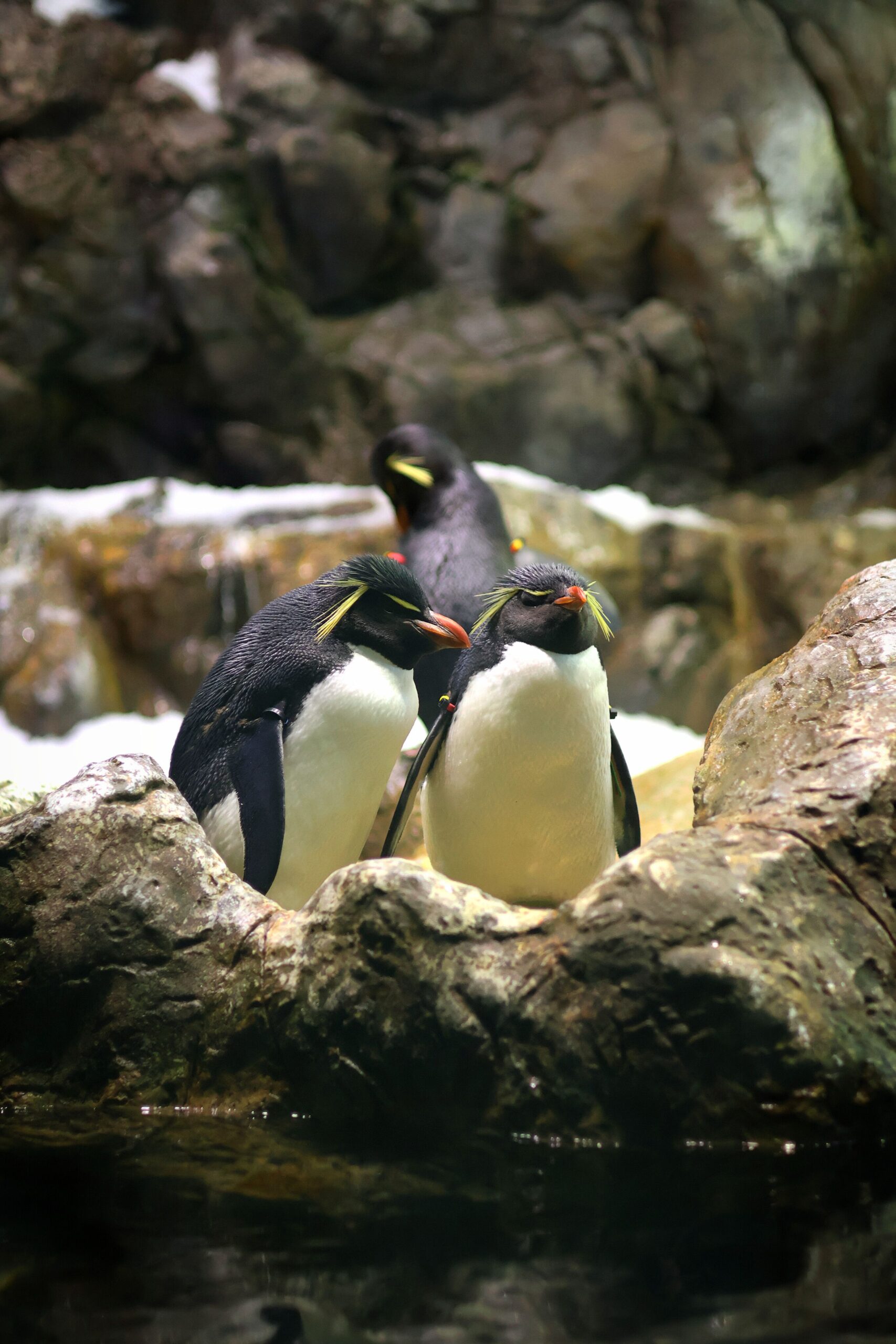
フィヨルドランドペンギン(キマユペンギン)の特徴、生息地、生態について解説していきます。「森にすむペンギン」と言われるこのペンギンは極めて珍しいタイプです。ニュージーランド南西のフィヨルドランドからスチュアート島にかけて住んでいるかなりのレアなペンギンです。


フィヨルドランドペンギンの基本情報について
フィヨルドランドペンギンはマカロニペンギン属に属する鳥類。学名はEudyptes pachyrhynchus。体長は40-60cmでニュージーランドの固有種となるペンギンです。生息地がかなり限定されており、珍しいタイプです。別名はキマユペンギン、ヴィクトリアペンギン。
| Japanese(和名) | フィヨルドランドペンギン、キマユペンギン、ヴィクトリアペンギン |
| English(英名) | Fiordland penguin |
| scientific name(学名) | Eudyptes pachyrhynchus |
| classification(分類) | Sphenisciformes, Spheniscidae, Eudyptes ペンギン目ペンギン科マカロニペンギン属 |
| IUCN Status(保全状況) | LEAST CONCERN |
| Height(身長) | 40-60cm |
| Weight(体重) | 2kg |
フィヨルドランドペンギンのルーツ、起源は?
フィヨルドランドペンギン(Fiordland penguin)のルーツは、ニュージーランドの南西部にあるフィヨルド地帯にあります。現在もその地域にだけ自然分布している、かなり“局所的に進化した”ペンギンです。
🧬 起源・進化のルーツ
このペンギンの起源は、ざっくり言うと:
- 約数百万年前
- 南極圏から分岐した祖先ペンギンが
- ニュージーランド周辺に定着し
- 氷期・地形変化によって隔離されて進化
という流れです。
特に重要なのは「地理的隔離」です。
🌏 なぜニュージーランドなのか?
ニュージーランドは昔から:
- 捕食者が少ない
- 海洋資源が豊富
- 海岸線が複雑(フィヨルド地形)
という条件があり、ペンギンが生き残りやすい環境でした。
🧭 フィヨルドランドペンギンの“独自進化”
この種は学名を Eudyptes pachyrhynchus といい、いわゆる「イワトビ系(ホーホケキョ型の冠羽ペンギン)」に近いグループです。
特徴的な進化ポイント:
- 目の上の黄色い“冠羽”
- 森林に近い海岸でも繁殖できる適応
- 洞窟や岩陰を使った巣作り
分類はどうなるの?
英国の動物学者ジョージ・ロバート・グレイによって1845年に記載されたのが始まり。今はマカロニペンギン属に属しています。属名は古代ギリシャ語の eu/ευ「善」と dyptes/δύπτης「ダイバー」に由来しています。フィヨルドランドペンギンは繁殖地のあるニュージーランド南島のフィヨルドランドが由来となっています。
| 名前:Name | Gropu:属名 | 生息地: habit |
| フィヨルドランドペンギン(Fiordland penguin) | Eudyptes マカロニペンギン属 | New Zealand ニュージーランド |
| シュレーターペンギン(Erect-Crested Penguin) | Eudyptes マカロニペンギン属 | New Zealand ニュージーランド |
| スネアーズペンギン(Snares Islands Penguin) | Eudyptes マカロニペンギン属 | New Zealand ニュージーランド |
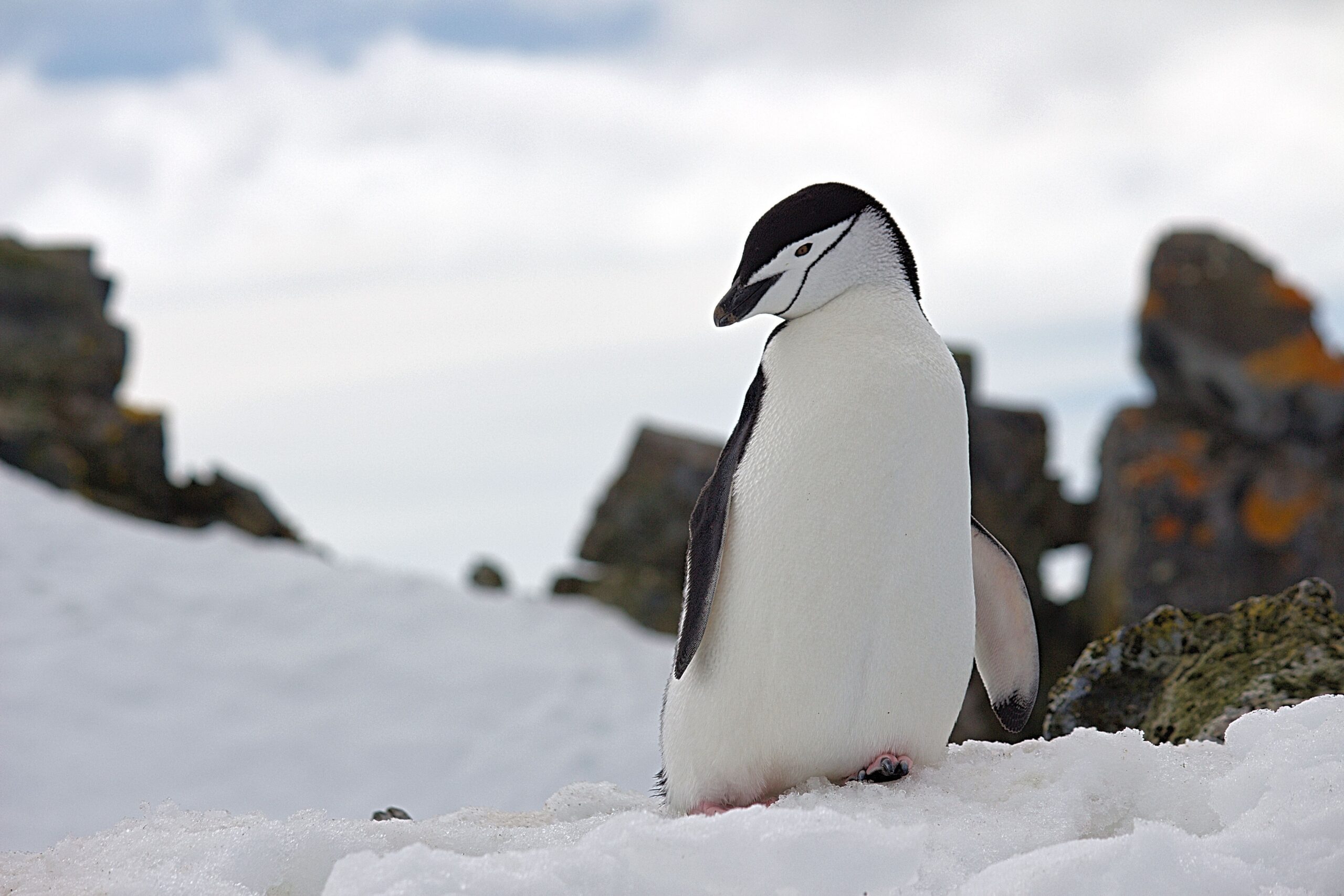
| マカロニペンギン(Macaroni Penguin) | Eudyptes マカロニペンギン属 | Antarctica 南極大陸 |
| ロイヤルペンギン(Royal Penguin) | Eudyptes マカロニペンギン属 | Antarctica 南極大陸 |
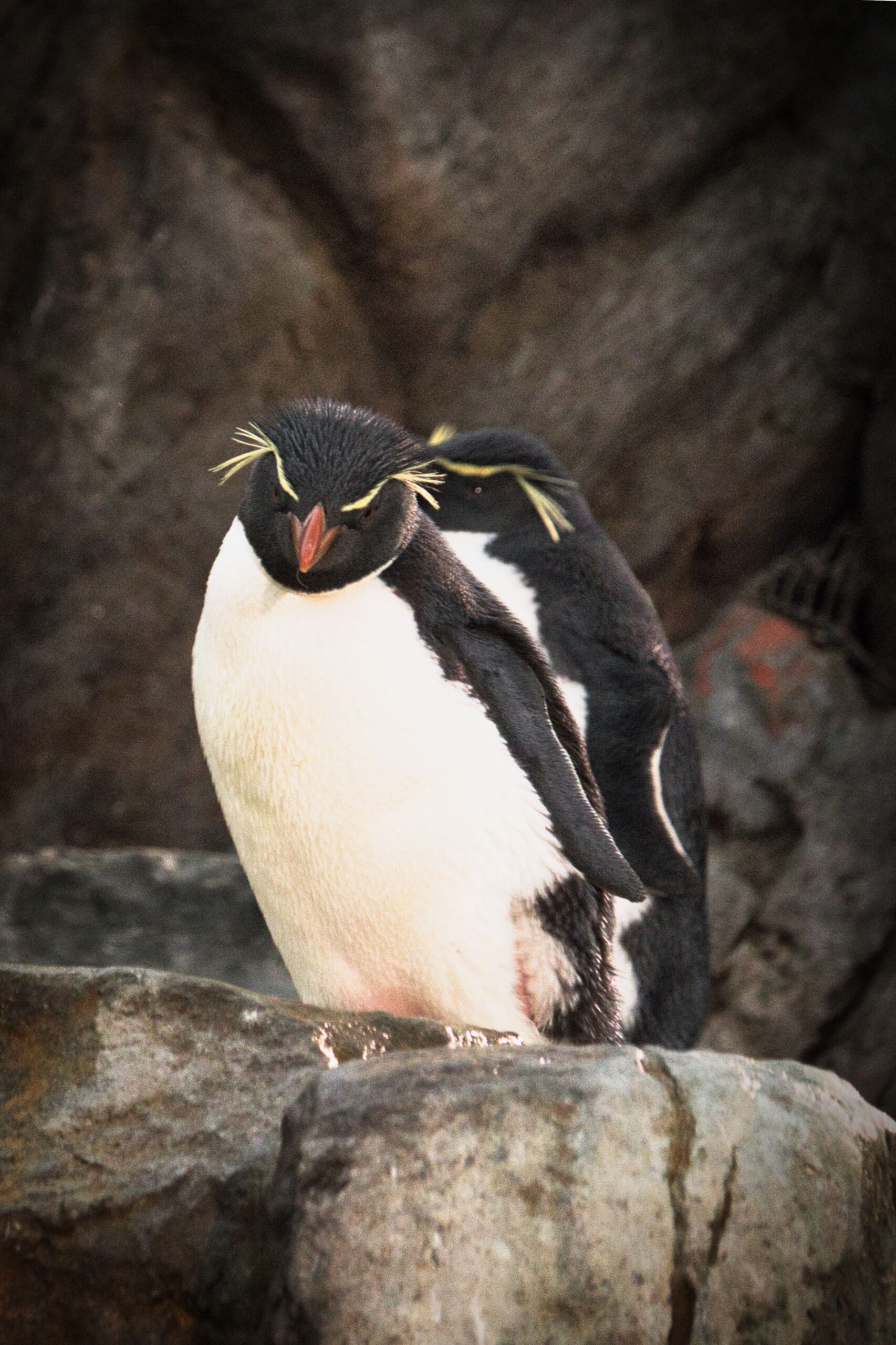
| イワトビペンギン(Rockhopper Penguin) | Eudyptes マカロニペンギン属 | South Atlantic, Indian Ocean, Falkland Islands 南大西洋、インド洋、フォークランド諸島 |
1. 分類
- 界 (Kingdom): Animalia(動物界)
- 門 (Phylum): Chordata(脊索動物門)
- 綱 (Class): Aves(鳥綱)
- 目 (Order): Sphenisciformes(ペンギン目)
- 科 (Family): Spheniscidae(ペンギン科)
- 属 (Genus): Eudyptes(イワトビペンギン属)
- 種 (Species): Eudyptes pachyrhynchus(フィヨルドランドペンギン)
フィヨルドランドペンギンの生息地について
フィヨルドランドペンギンの生息地についてはニュージーランドのみ。スチュアート島付近で多くが生息をしています。
1. 地理的分布
- 主な場所:ニュージーランド南西部、スチュアート島(Rakiura)、フィヨルドランド地方
- 具体的な分布:
- フィヨルドランド国立公園沿岸
- スチュアート島沿岸
- 小規模な周辺島々にも分布
2. 生息環境
- 岩場や森の中の巣穴に巣を作る
- 海岸近くの急峻な斜面や岩礁を好む
- 繁殖地ではペアで縄張りを作り、隠れる場所が豊富な場所を選ぶ
3. 生態的特徴
- 海に近い場所で餌を取るが、巣は陸地の隠れた場所に作る
- 主に小魚、イカ、クリルなどを捕食
- 繁殖期には巣穴ごとにペアで生活し、群れで大規模コロニーは形成しない
特徴は?どんな感じの生物なのか?
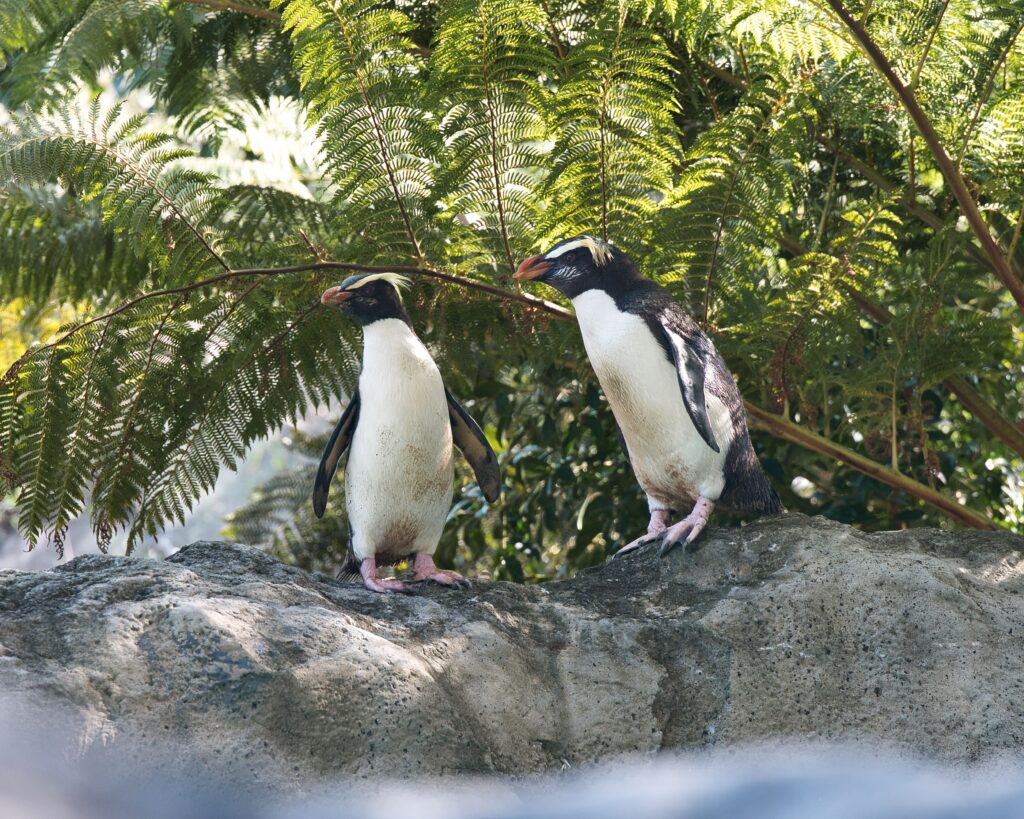
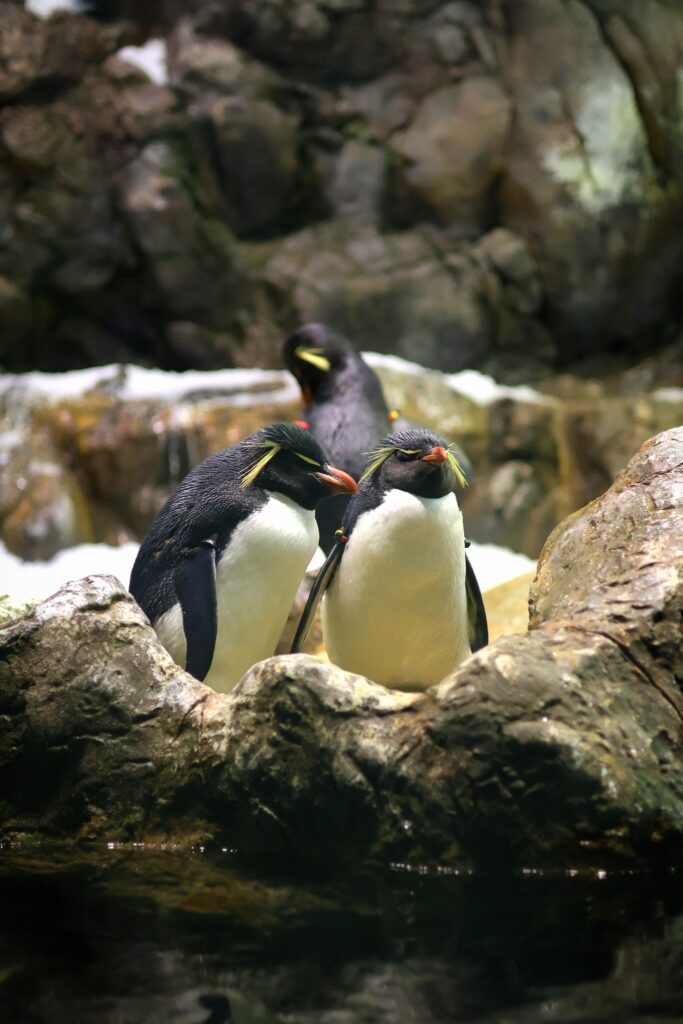
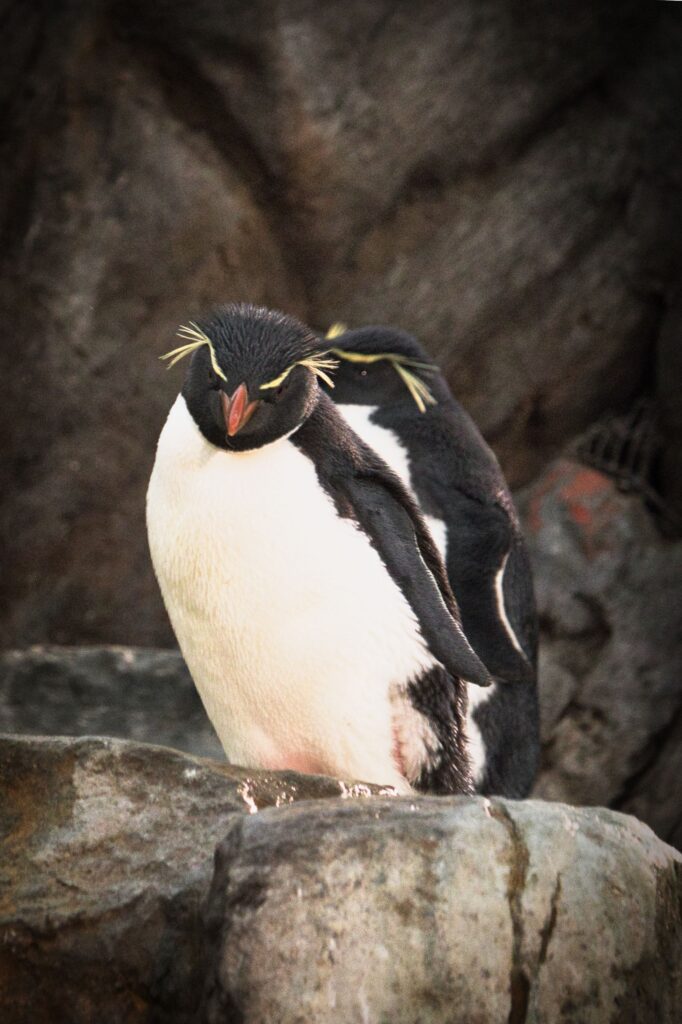
フィヨルドランドペンギンは頭部から上面の羽衣は黒く、下面の羽衣は白いです。上部、後頭にかけて太く黄色い筋模様が入り、後部では垂れ下がっています。フィヨルドランドペンギンは従来のペンギンとは違い、森にすむペンギンです。彼らがいるフィヨルドランド国立公園などは世界遺産にも登録されています。
1. 体の特徴
- 体長:約60〜70 cm
- 体重:約3〜5 kg
- 体型:中型でずんぐりした体型
- 羽毛・模様:
- 背中は黒、腹は白
- 目の上から頭頂にかけて黄色い冠羽(房状の羽毛)がある
- 顔や首は黒く、くちばしはオレンジ~赤褐色
- 頭部の冠羽が独特で、他のペンギンと簡単に見分けられる
2. 行動・動作
- 水中で俊敏に泳ぎ、小魚やイカ、クリルを捕食
- 陸上では巣穴の中や岩場を移動
- 繁殖期にはペア単位で縄張りを作り、巣を守る
3. 食性
- 主食は小魚、イカ、クリル
- 潜水して捕食し、1回の潜水で数分間泳ぐことも可能
4. 繁殖・寿命
- 繁殖期はニュージーランドの夏(9〜2月)
- 巣は岩場や森の穴に作り、卵は通常2個
- 両親で交代して抱卵・育雛
- 野生での寿命は約10〜15年
5. 性格・行動の特徴
- コロニーは比較的小規模で、ペア単位で縄張りを形成
- 警戒心が強く、巣やヒナを守るために攻撃的になることもある
- 水中では俊敏で活発、陸上ではやや慎重
性格はどんな感じになるのか?
フィヨルドランドペンギンはマカロニペンギン属のなかで一番臆病な性格といわれています。巣に敵が近づいてくると怖がってしまう傾向が見受けられます。
1. 社会性
- 繁殖期でもコロニーは比較的小規模で、ペア単位で生活することが多い
- 群れでの協調性はそれほど高くなく、縄張りを守る行動が中心
2. 警戒心
- 巣やヒナを守るため非常に警戒心が強い
- 人間や捕食者に近づかれると攻撃的になることもある
- 巣穴や岩場に隠れる習性がある
3. 活発さ
- 水中では俊敏で活発に泳ぎ、餌を追いかける
- 陸上では慎重で落ち着いた動き
- 繁殖期以外は比較的おとなしい性格
4. 独立性
- ペアでの縄張り意識が強く、他のペアとの距離を保つ
- 繁殖期にはペアで協力して抱卵・育雛するが、巣の外では単独行動も多い
フィヨルドランドペンギンの生態は?
フィヨルドランドペンギンは主にイカ、オキアミを食べて生活しています。繁殖期は7-12月で2つの卵を産み、抱卵は30-36日。ヒナは「クレイシュ」を形成します。寿命は15年から20年とされています。
1. 生息環境
- 場所:ニュージーランド南西部のフィヨルドランド地方、スチュアート島沿岸
- 環境条件:
- 岩場や森の穴に巣を作る
- 海岸近くで餌を取りやすい場所を選ぶ
- 繁殖期でもコロニーは小規模で、ペア単位で縄張りを形成
2. 食性
- 主食:小魚、イカ、クリル
- 捕食方法:海中で潜水して捕食
- 潜水時間は数分程度で、水中で俊敏に動くことが可能
3. 繁殖
- 繁殖期はニュージーランドの夏(9〜2月)
- 巣は岩場や森の穴に作り、卵は通常2個
- 両親で交代して抱卵・育雛
- ヒナは巣立ちまで数週間かかる
4. 行動
- ペア単位で巣を守り、他のペアとは距離を保つ
- 水中では活発で俊敏、陸上では慎重
- 繁殖期以外は単独または少数で行動
5. 寿命
- 野生で約 10〜15年
- 餌の量や天敵、気象条件によって生存率が変動
フィヨルドランドペンギンの天敵は?
フィヨルドランドペンギンはウェカや人間が持ち込んだ犬や猫などの肉食動物になります。
フィヨルドランドペンギンの換羽
フィヨルドランドペンギン(Fiordland penguin)の換羽(かんう:羽が生え変わるプロセス)は、ペンギンの中でもかなり“過酷な一斉換羽タイプ”として知られています。
換羽の基本(フィヨルドランドペンギン)
この種は年に1回、すべての羽を一気に交換する「完全換羽」を行います。
- 頻度:年1回
- 時期:主に夏の終わり〜秋(南半球では2〜4月頃)
- 期間:約2〜3週間
- 特徴:換羽中は海に入れない
⚠️ なぜ海に入れないのか?
ペンギンの羽は「防水スーツ」のようなものです。
換羽中は:
- 古い羽が抜ける
- 新しい羽がまだ防水機能を持たない
- 体温維持ができない
そのため絶食状態で陸上待機になります。
️ 換羽中の生活
フィヨルドランドペンギンの特徴は、換羽中の過ごし方がかなり“森寄り”なことです。
- 海岸の岩陰や森林の縁に隠れる
- ほとんど動かず体力を温存
- 換羽前に体脂肪を蓄える
- 約2〜3週間は完全絶食
特にこの種は、他のペンギンより森の中に近い場所で隠れる傾向があります。
フィヨルドランドペンギンの潜水
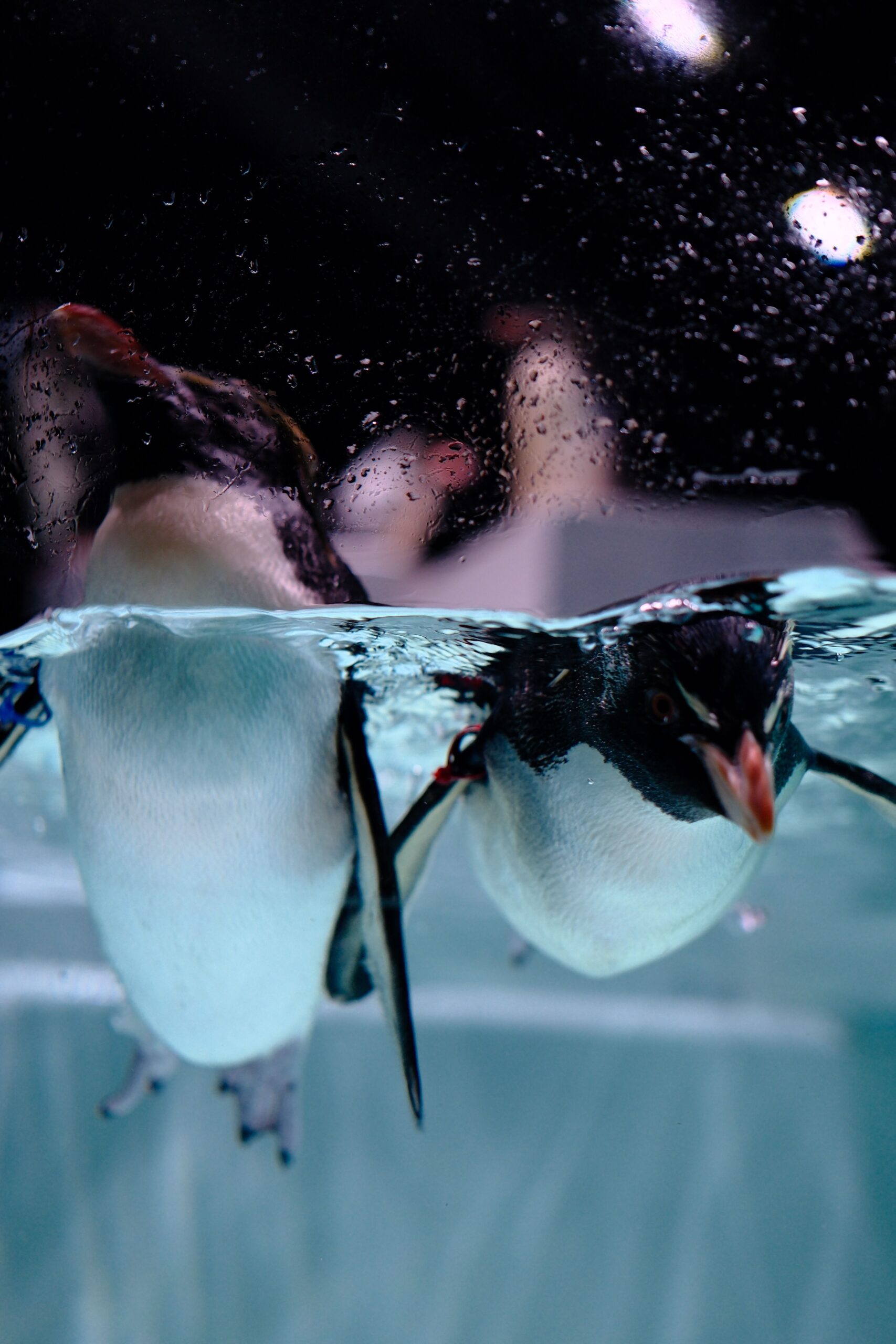
フィヨルドランドペンギン(Fiordland penguin)の潜水は、「短時間・中深度・沿岸特化型」という特徴を持っています。外洋を長時間潜るタイプではなく、岩礁の多い沿岸で素早く獲物を捕るスタイルです。
🌊 潜水の基本スペック
この種の潜水能力は次のようにまとめられます:
- ⏱ 潜水時間:平均 1〜2分前後
- 📏 最大深度:およそ 20〜60m程度
- 🐟 主な獲物:小魚、イカ、甲殻類
- 🌊 潜水場所:沿岸の岩場・フィヨルド・入り江
🐧 潜り方の特徴
🧭 スタイル
- 翼を“フリッパー”のように使って高速泳ぐ
- 岩場の隙間をすり抜けるように移動
- 短いダッシュで獲物を追う
🌊 環境との関係(重要)
このペンギンが暮らすのはニュージーランド南西部のフィヨルド地帯(Fiordland)で、特徴は:
- 海が深いが、沿岸は入り組んでいる
- 潮流が強い場所が多い
- 森と海が近接
👉 そのため「深く長く潜るより、浅場を素早く回る戦略」が有利です。
フィヨルドランドペンギンの鳴き声
フィヨルドランドペンギン(Fiordland penguin)の鳴き声は、ペンギンの中でもかなり特徴的で、よく「しゃがれたロバのような声」とか「低い吠え声+うめき声の混ざったような音」と表現されます。
🔊 鳴き声の特徴
この種の鳴き声は一言でいうと:
👉 「ガーッ、グゥゥ、ケェッ」といった連続したブレイ(braying)音
特徴を整理すると:
- 低くてしゃがれた声
- 連続的に「ガガガ…」と続く
- 個体ごとに“声のクセ”がある
- 森の中や岩場で反響しやすい
🐧 どんなときに鳴く?
主に次の場面で鳴きます:
🧑🤝🧑 ペアのコミュニケーション
- パートナー同士の再会確認
- 巣の場所の認識
🐣 親子の呼び合い
- 雛が親を呼ぶ
- 親が餌を持って帰るときの呼び出し
🏝 繁殖期の縄張り
- 他個体への警告
- 巣の防衛
フィヨルドランドペンギンの季節別の活動
フィヨルドランドペンギン(Fiordland penguin)は、ニュージーランド南西部のフィヨルド地帯(Fiordland)に生息していて、「繁殖期の陸上生活」と「非繁殖期の海洋生活」がはっきり分かれる季節型のペンギンです。
🌸 春(9〜11月)|繁殖スタート期
この時期は一年で最も重要な繁殖準備期間です。
- ペア形成・再会
- 森林や岩陰で巣作り
- 1〜2個の卵を産む
- 親鳥は交代で抱卵
👉 特徴:「ほぼ陸上生活メイン」
❄️ 夏(12〜2月)|育雛(いくすう)ピーク
雛が育つシーズンで、活動量は最大になります。
- 親が海へ頻繁に採餌に出る
- 雛へ魚を吐き戻して給餌
- 森の中で雛が隠れるように生活
- 外敵(オコジョ・鳥類)に警戒
👉 特徴:「陸+海を行き来する忙しい時期」
🍂 秋(2〜4月)|換羽・休養期
繁殖が終わると、過酷な換羽に入ります。
- 全身の羽が一斉に生え変わる
- 約2〜3週間は絶食
- 海に出られない
- 森や岩陰でじっと待機
👉 特徴:「完全休息+絶食の危険な時期」
🌨 冬(5〜8月)|外洋回遊期
換羽が終わると、海へ出て長期間採餌します。
- 沿岸〜外洋を広く移動
- 魚・イカ・甲殻類を捕食
- 単独行動が多い
- エネルギーを回復
👉 特徴:「海中心の生活」
フィヨルドランドペンギンのヒナについて
フィヨルドランドペンギン(Eudyptes pachyrhynchus)のヒナについて整理します。
1. 卵から孵化まで
- 産卵数:通常2個
- 巣:岩場や森の穴に作る
- 抱卵期間:約 35日 前後
- 両親で交代して卵を温める
2. ヒナの特徴
- 体毛:柔らかい灰色や茶色の羽毛
- 体重:孵化時は約 120〜150g
- 色:地味な色合いで、天敵から身を守る
3. 成長と巣立ち
- 巣立ちまで:約 7〜9週間
- 親から泳ぎ方や餌の取り方を学ぶ
- 巣立ち後は海に出て、自立して餌を捕る
4. 生存率の課題
- 天敵(海鳥、アザラシ、スカベンジャーなど)に狙われやすい
- 餌の量や天候、巣の環境によって生存率が変動
- ヒナ期が最も危険で、親の保護が不可欠
フィヨルドランドペンギンは絶滅危惧種なのか?
フィヨルドランドペンギンはIUCNでは低懸念に分類されており、まだ個体数は安定していると言われています。ただし2013年にニュージーランドの自然保護省によってそのステータスが脆弱から絶滅危惧種に変更されてしまいました。これは以下のような原因があります。推定個体数は2,000~3,000。
人間が持ち込んだ捕食者がいる
主な脅威は、犬、猫、ネズミ、特にオコジョなどの捕食者です。これらは人間が持ち込んだことが原因。もともとニュージーランドは肉食の地上の動物が存在しませんでしたのでペンギンも安泰でした。しかし肉食動物の登場により、生息数が減ってしまってます。
フィヨルドランドペンギンの飼育は可能なのか?
フィヨルドランドペンギンの住んでいる地域は世界遺産となっており、さらにはニュージーランド政府により研究者以外が立ち入り禁止になっている区域で、そもそも出会うこと自体がかなり困難な地域で飼育は難しいでしょう。
1. 飼育の現状
- 世界の一部の動物園や水族館で飼育・展示の実績は非常に限られている
- ニュージーランド固有種であり、自然環境に依存する部分が大きいため、飼育環境の再現は難しい
- 繁殖に関しても、人工環境下での成功例はほとんど報告されていない
2. 飼育上の課題
- 環境条件の再現
- 冷たい海水や岩場・森の巣環境を人工的に作る必要がある
- 自然の隠れ場所や縄張りを再現しないとストレスが大きい
- 餌の管理
- 小魚、イカ、クリルなどを中心に、栄養バランスを整える必要
- 保護規制
- ニュージーランド固有種であり、野生個体の捕獲や輸出は厳しく制限
- CITESなど国際条約により取扱いが厳しい
3. 結論
- 一般家庭での飼育は不可能
- 専門施設でも、高度な環境管理と法規制対応が必須
- 野生個体の保護や生息地維持が最も重要
飼育されている動物園(日本・世界)
フィヨルドランドペンギン(Fiordland penguin)は、基本的に「自然下ではニュージーランド南西部のみ」「動物園での飼育は非常に少ない」タイプのペンギンで、世界的にもかなりレアです。
日本での飼育状況
基本:常設展示はほぼ無し
日本の主要水族館・動物園では、通常は以下の理由で飼育されていません:
- 繁殖が非常に難しい
- ストレスに弱い(森林性で特殊環境が必要)
- 輸送・導入例が極めて少ない
世界での飼育状況
非常に稀(ほぼ例外レベル)
調査・記録ベースでは:
- ニュージーランド国内でもほぼ“救護個体のみ”
- オーストラリア(例:シドニー)で漂着個体の一時保護例
- 長期繁殖プログラムはほぼ存在しない

同じ仲間
コメント